

Understanding the psychology behind why we gamble
The Thrill of Uncertainty
The psychology behind gambling is deeply rooted in the thrill of uncertainty. Many individuals are drawn to the unpredictability of games of chance, where the outcome is unknown. This element of suspense can evoke a rush of adrenaline, making the gambling experience exhilarating. People often seek out this thrill as a form of escapism, allowing them to temporarily step away from the routine of daily life. Interestingly, there are now ways toplay using payid, enhancing the overall experience for players.
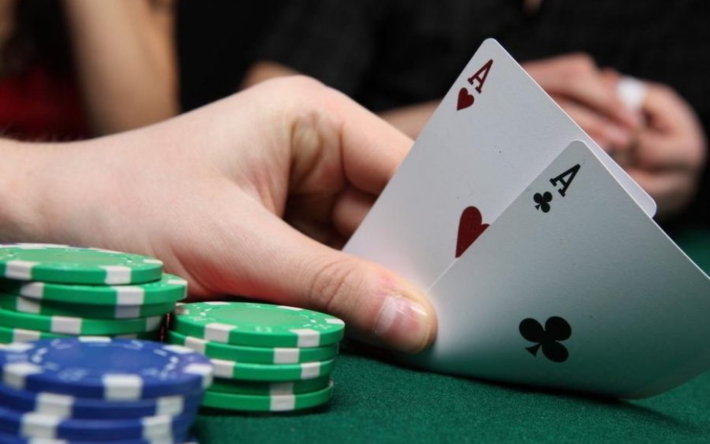
Moreover, the human brain is wired to respond to uncertainty. The anticipation of winning, even if the odds are against the player, can trigger the release of dopamine—a neurotransmitter associated with pleasure and reward. This chemical reaction reinforces the desire to gamble, creating a cycle of seeking out that next high, regardless of past experiences.
The Role of Cognitive Biases
Cognitive biases play a significant role in gambling behavior. One of the most common biases is the illusion of control, where individuals believe they can influence outcomes through their actions. For instance, a player might think that using specific strategies or rituals can improve their chances of winning. This misconception can lead to overconfidence and increased gambling activity.
Additionally, gamblers often fall victim to the gambler’s fallacy, which is the belief that past events influence future outcomes in random games. For example, someone might think a slot machine is “due” for a win after a series of losses. These cognitive distortions fuel the desire to gamble, often leading individuals to chase losses rather than recognizing the inherent randomness of gambling.
Social and Cultural Influences
Social and cultural factors also contribute significantly to gambling behaviors. In many cultures, gambling is seen as a form of entertainment, often celebrated in social settings. This communal aspect can amplify the desire to gamble, as individuals may feel pressured to participate in group activities, especially during events like sports or holidays.
Moreover, exposure to gambling through media and advertising can normalize the behavior. Commercials showcasing the glamour of winning big can create unrealistic expectations, making gambling seem like a viable way to achieve wealth or success. This cultural backdrop can instill the notion that gambling is not just acceptable but desirable, further driving individuals toward it.
Emotional and Psychological Needs
Gambling often fulfills various emotional and psychological needs for individuals. For some, it provides an escape from boredom, stress, or anxiety. Engaging in gambling activities can serve as a distraction, allowing individuals to temporarily forget their problems. This coping mechanism, while effective in the short term, can lead to problematic gambling habits in the long run.
Furthermore, for individuals seeking validation or self-esteem, winning can offer a temporary boost. The emotional highs associated with victories can lead to a strong desire to chase those feelings repeatedly. However, this dependence on gambling for emotional support can create a dangerous cycle, where losses lead to even more gambling in an attempt to recapture that fleeting sense of achievement.

Explore Your Gambling Options Today
Understanding the psychology behind gambling is crucial for both players and industry stakeholders. By recognizing the motivations and influences driving gambling behavior, operators can create environments that promote responsible gaming. Awareness can lead to better practices and strategies to mitigate the risks associated with gambling.
For individuals curious about their gambling habits or seeking a more informed experience, various resources are available. Engaging with platforms that prioritize responsible gambling can enhance one’s experience while ensuring safety and well-being. By understanding the underlying psychology, you can make informed choices and enjoy a healthier relationship with gambling.
